

Case
Placemaking Lab: Activating Public Spaces Through Community Collaboration
The Placemaking Lab is a capacity-building program designed to support local associations in Helsingborg's Söder neighborhood. The initiative equips participants with practical tools and methods to activate public spaces, foster community engagement, and create meaningful, inclusive events. By focusing on co-creation and collaboration, the lab strengthens the ability of civil society to enhance social cohesion, safety, and security in the local area.
Background
Söder is a vibrant and diverse neighborhood with a strong network of community organizations. Söderscen, a placemaking project by the City of Helsingborg, has been working since 2022 to engage these local actors in activating key public spaces, namely Gustav Adolfs Torg and Furutorpsplatsen. Recognizing the need to build the capacity of these associations, a pilot program — Community Lab — was launched in 2024.
Building on the success of the pilot, the 2025 Placemaking Lab was developed as a partnership between Creative Insights Studio, Studiefrämjandet Helsingborg, and Söderscen (Helsingborgs Stad). The program was designed to provide a structured learning journey for six local associations, helping them develop project ideas from concept to implementation for a summer program in Söder's public spaces.
The Challenge
Based on dialogues and co-creation processes with local associations, several key challenges and needs were identified to enhance their community-building efforts:
Strengthening Capacity for Dialogue: A need to build the associations' skills to conduct meaningful dialogue with residents in Söder.
Applying Placemaking Theory: A desire to increase knowledge about the practical application of placemaking and community-building theories.
Fostering Collaboration: A need for more opportunities for collaboration between associations and with municipal bodies to jointly address community needs.
Building Resilience: A goal to test new methods and working models that increase the long-term resilience and sustainability of the associations.
Program Design
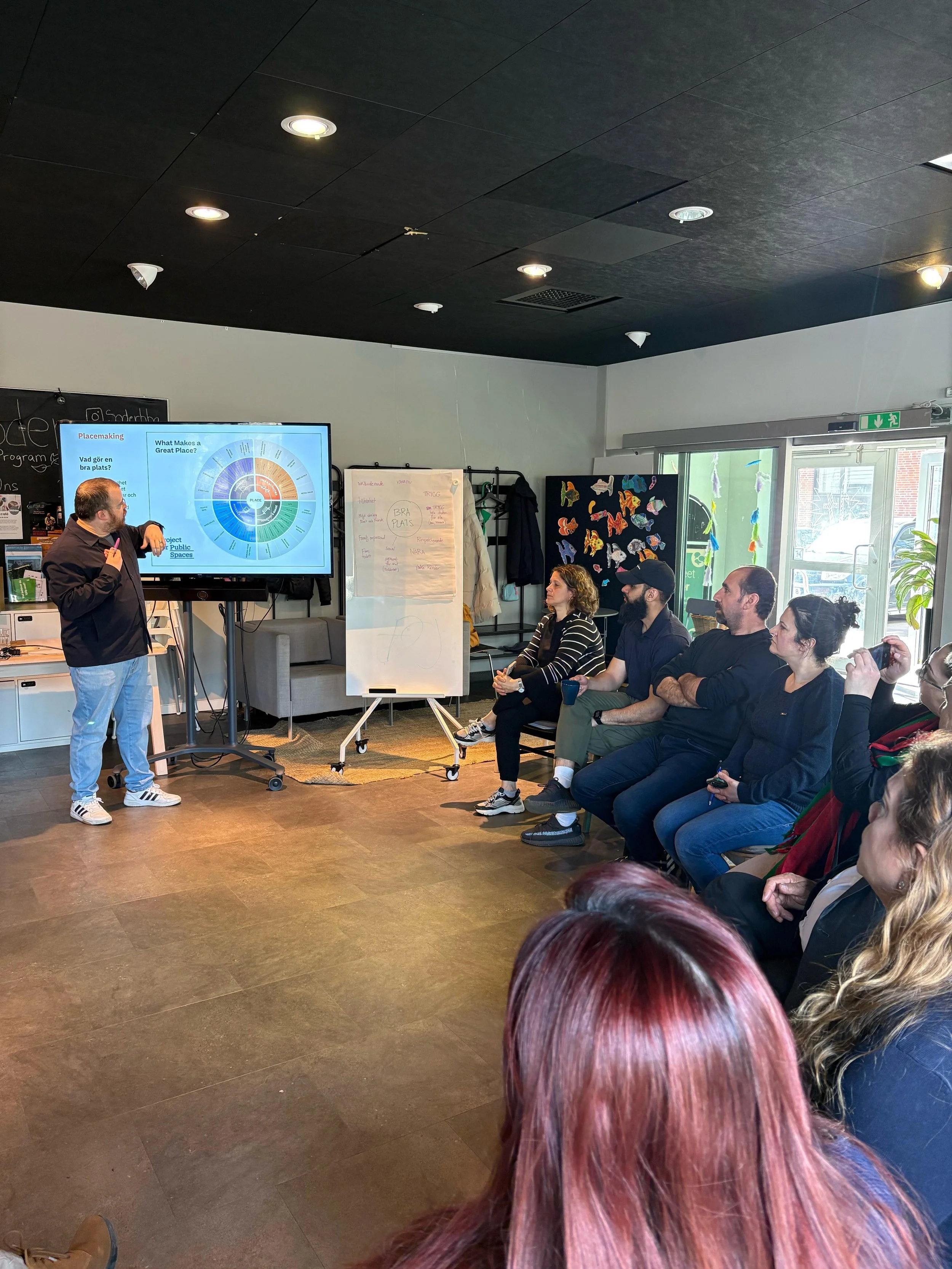
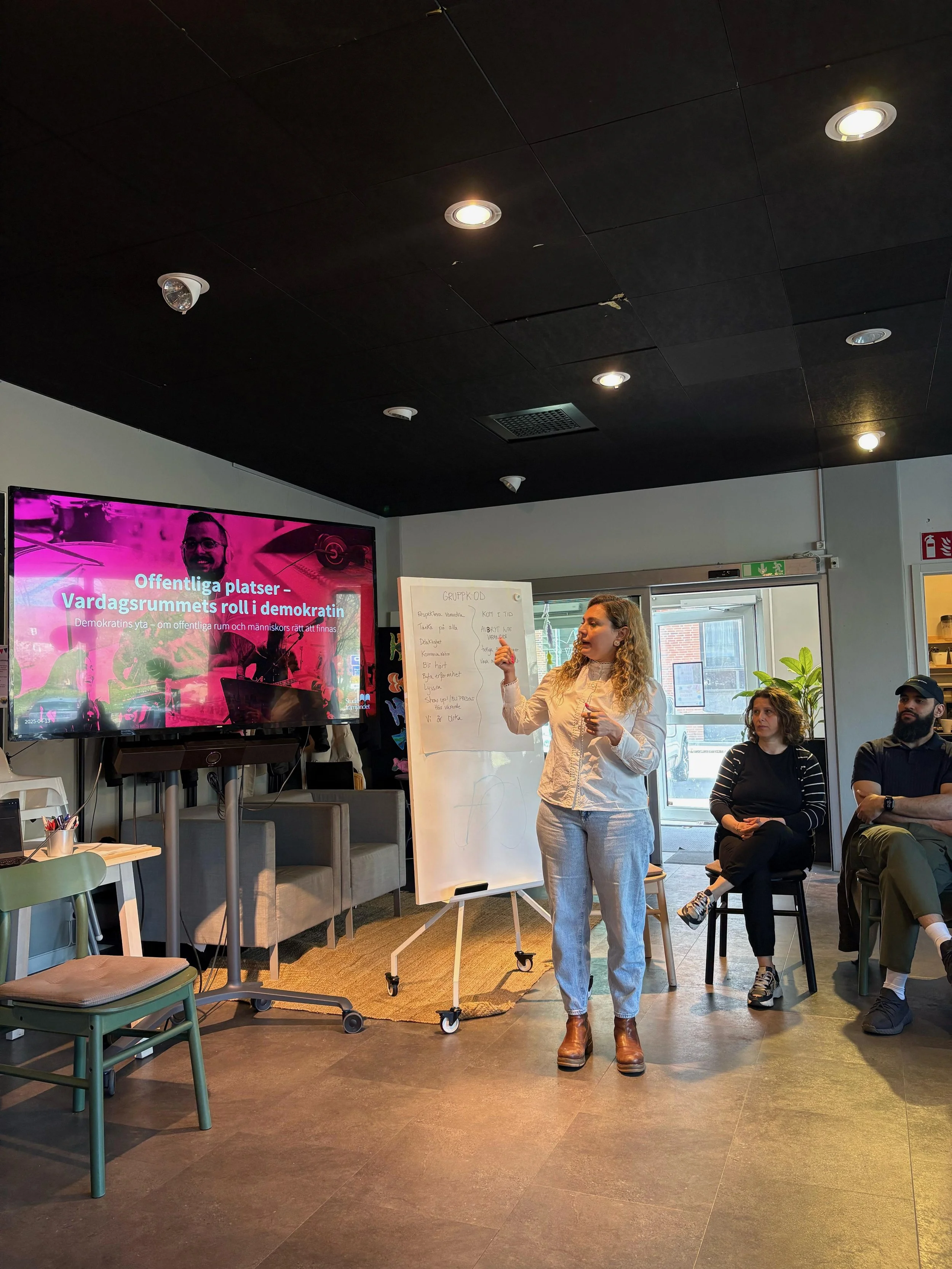
The Placemaking Lab was structured as a hands-on, collaborative learning experience. The program consisted of three full-day workshops in April and May 2025, designed to guide participants through the entire project development process. The core components of the program were:
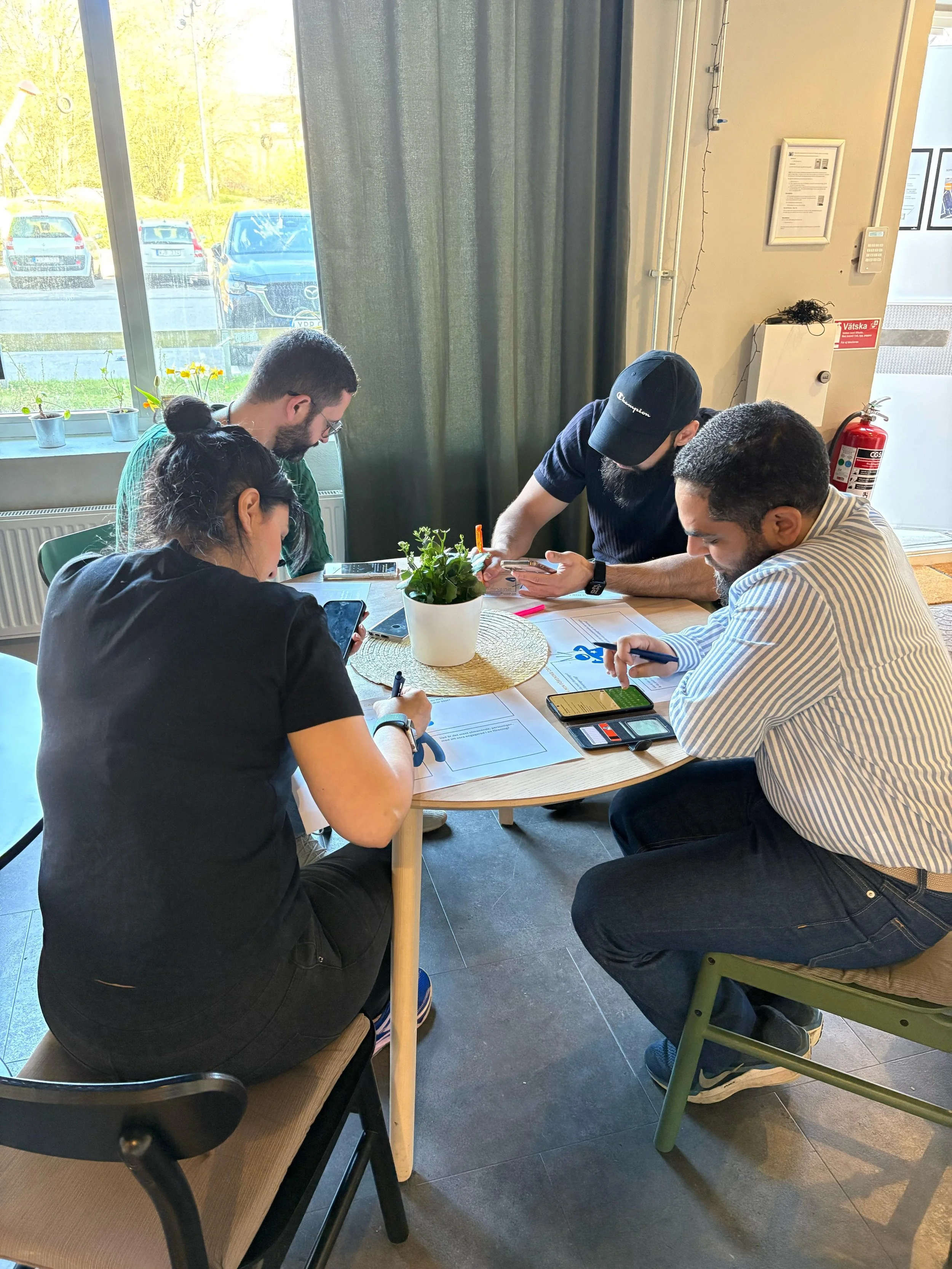
Project-Based Learning: Participants worked on developing their own project idea to be implemented during the summer. This approach ensured that the learning was directly applicable to their work.
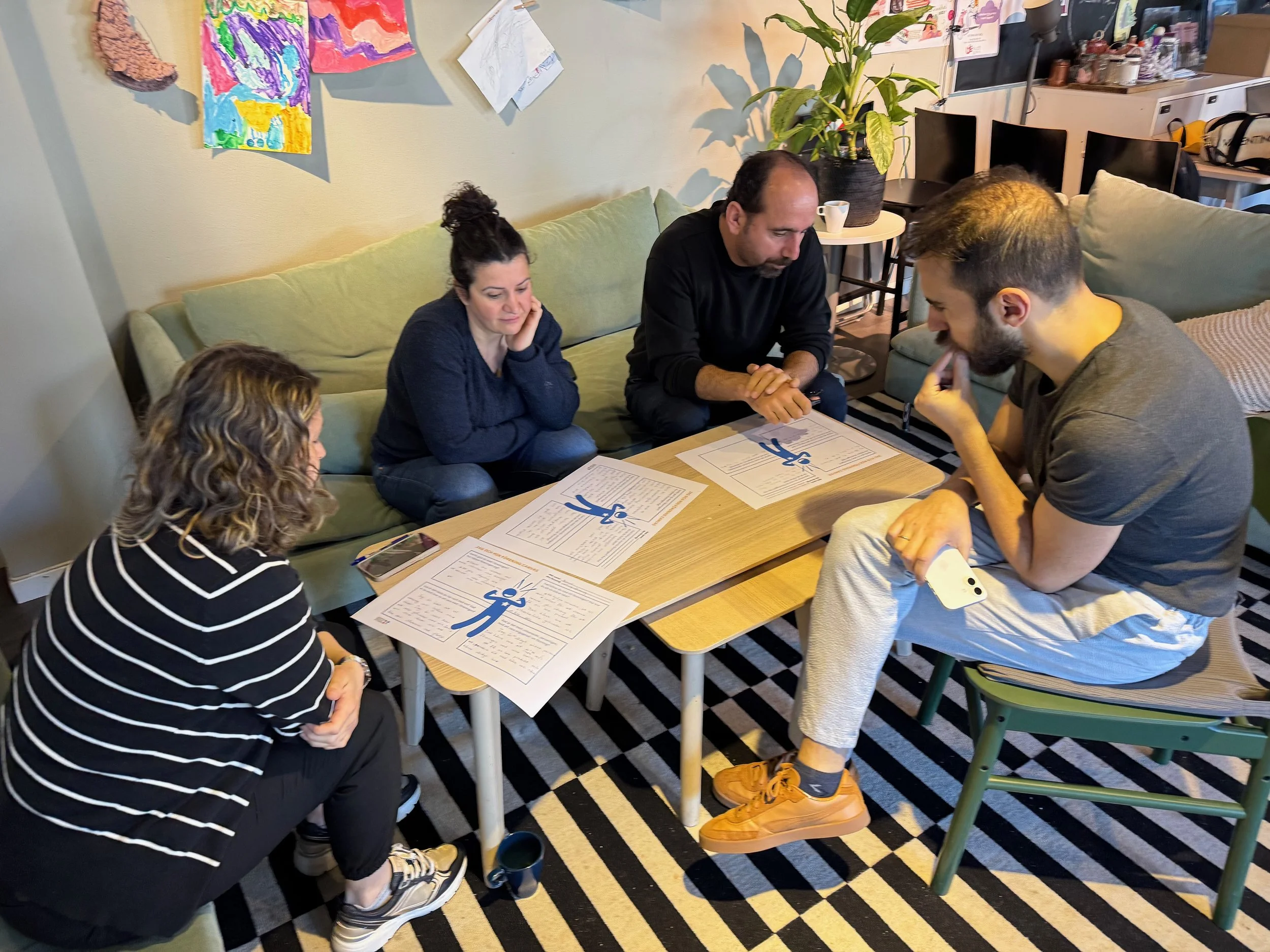
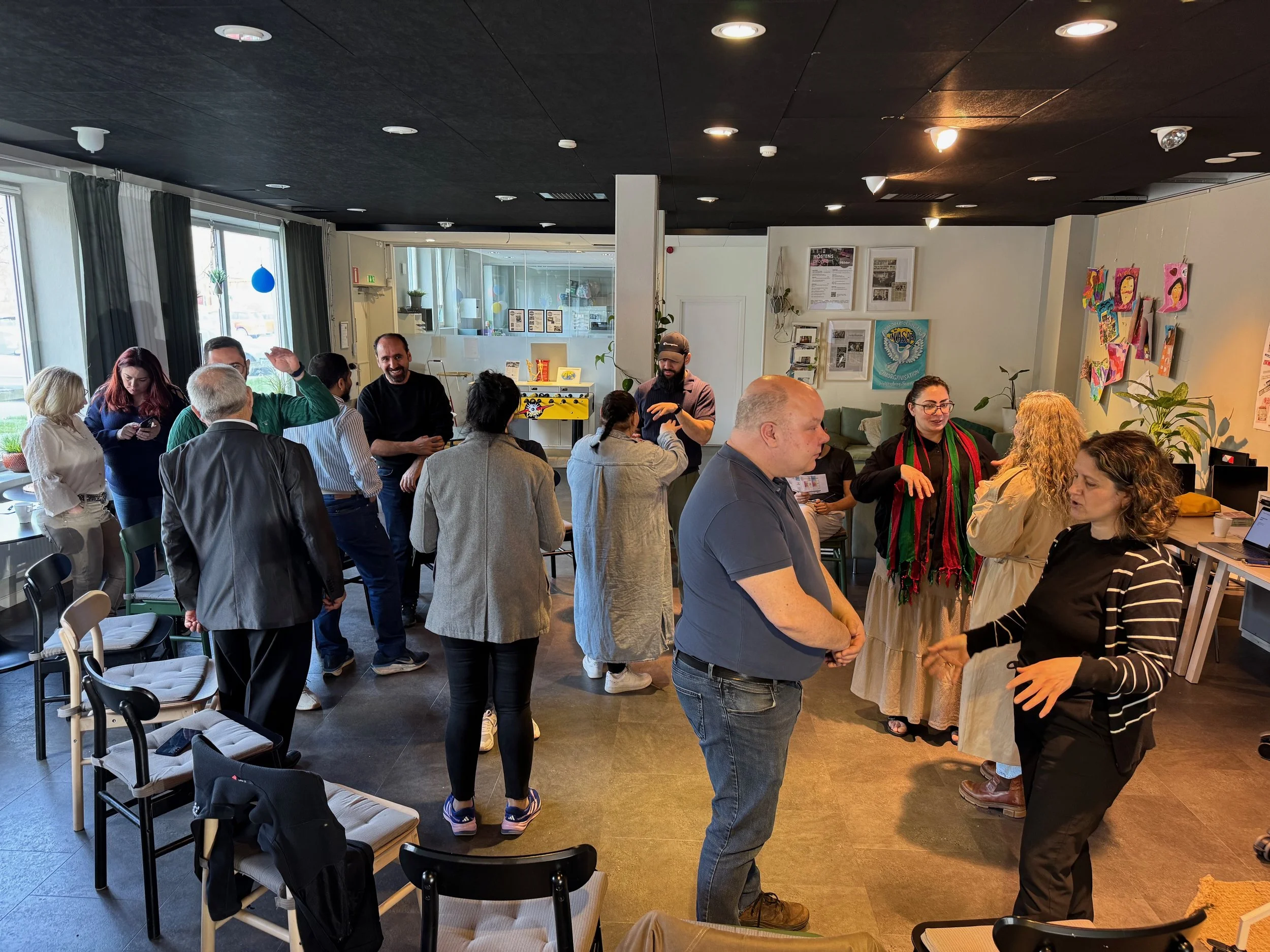
Peer-to-Peer Learning: The program fostered a collaborative environment where associations could learn from each other, share experiences, and provide constructive feedback.
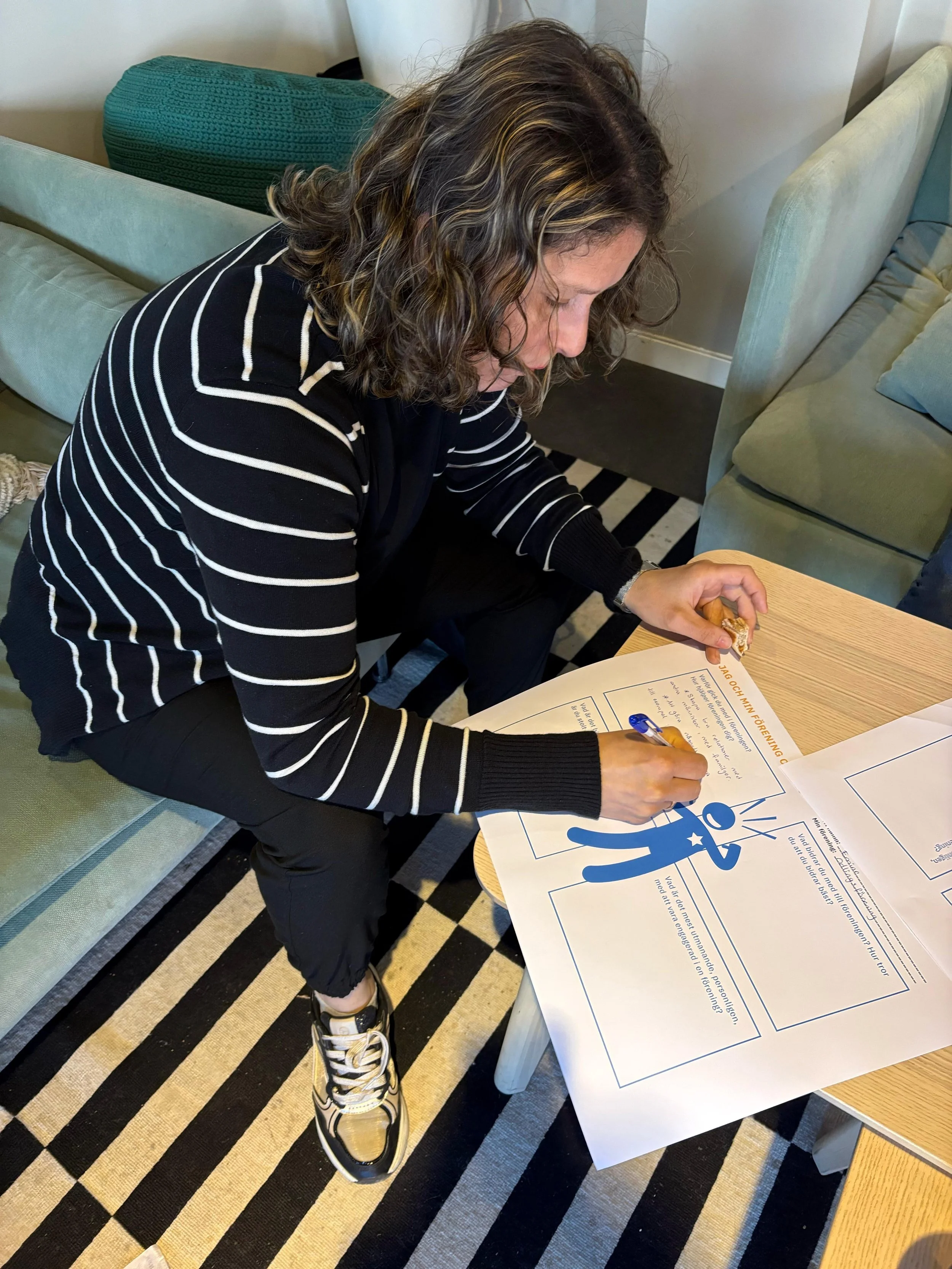
Practical Tools and Methods: The workshops introduced a variety of tools and methods from placemaking, Asset-Based Community Development (ABCD), and social innovation. These included the "Association Canvas" for self-reflection and the "Tool for Place Understanding" for community mapping.
Expert Guidance and Inspiration: The program included presentations from local practitioners and representatives from the City of Helsingborg, providing valuable insights and perspectives.
Small Grants for Implementation: Associations that completed the program were eligible for a small grant of up to 10,000 SEK to implement their project during the Söderscen summer program, providing a tangible outcome and opportunity to test their ideas.
Outcomes
The Placemaking Lab delivered significant outcomes for the participating associations and the Söder community. The program successfully strengthened the capacity of local organizations while fostering meaningful collaboration and community engagement.
New Initiatives Tested: Four new community-led initiatives were developed and implemented in Söder's public spaces, demonstrating the practical application of placemaking principles.
Expanded Community Reach: Participating associations successfully engaged with people outside their usual groups, broadening their impact and creating more inclusive community connections.
Deeper Understanding of Placemaking: Participants gained increased knowledge about placemaking theory and practice, including a stronger understanding of the relationship between democracy and association life in public spaces.
New Partnerships for Söderscen: Through collaboration with youth organizations, Söderscen was able to reach new demographic groups, particularly young people, expanding the diversity of voices in the placemaking process.
Cross-Association Collaboration: Associations continued to collaborate beyond the program, volunteering and supporting each other's initiatives, creating a sustainable network of mutual support.
Enhanced Organizational Capacity: Participants developed improved skills in project management, idea development, community dialogue, and navigating municipal processes, strengthening their long-term effectiveness.
Conclusion and Future Plans
The Placemaking Lab demonstrates a commitment to strengthening civil society from the ground up. By investing in the skills and ideas of local associations, the program creates a sustainable model for community-led placemaking. The combination of practical training, peer-to-peer support, and micro funding support these organizations to become key drivers of positive change in their neighborhood. The Placemaking Lab serves as a model for how targeted capacity-building can unlock the creative potential of local communities and transform public spaces into vibrant hubs of connection and activity.